August Vines Escape the Raised Beds Into the Yard
Sweet potato and squash vines have spread past their raised beds into the lawn this August - a sign of a healthy, hot-weather kitchen garden.
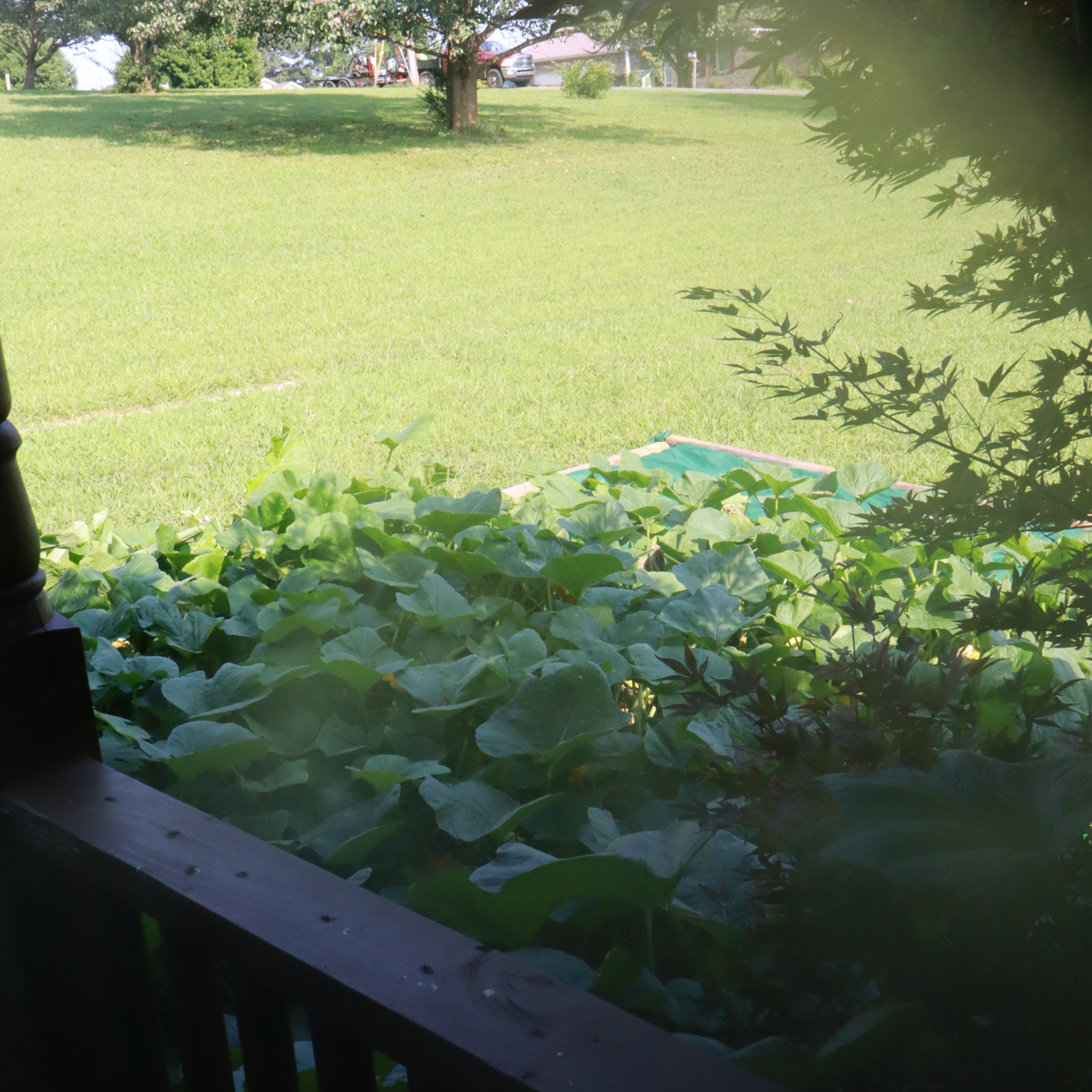
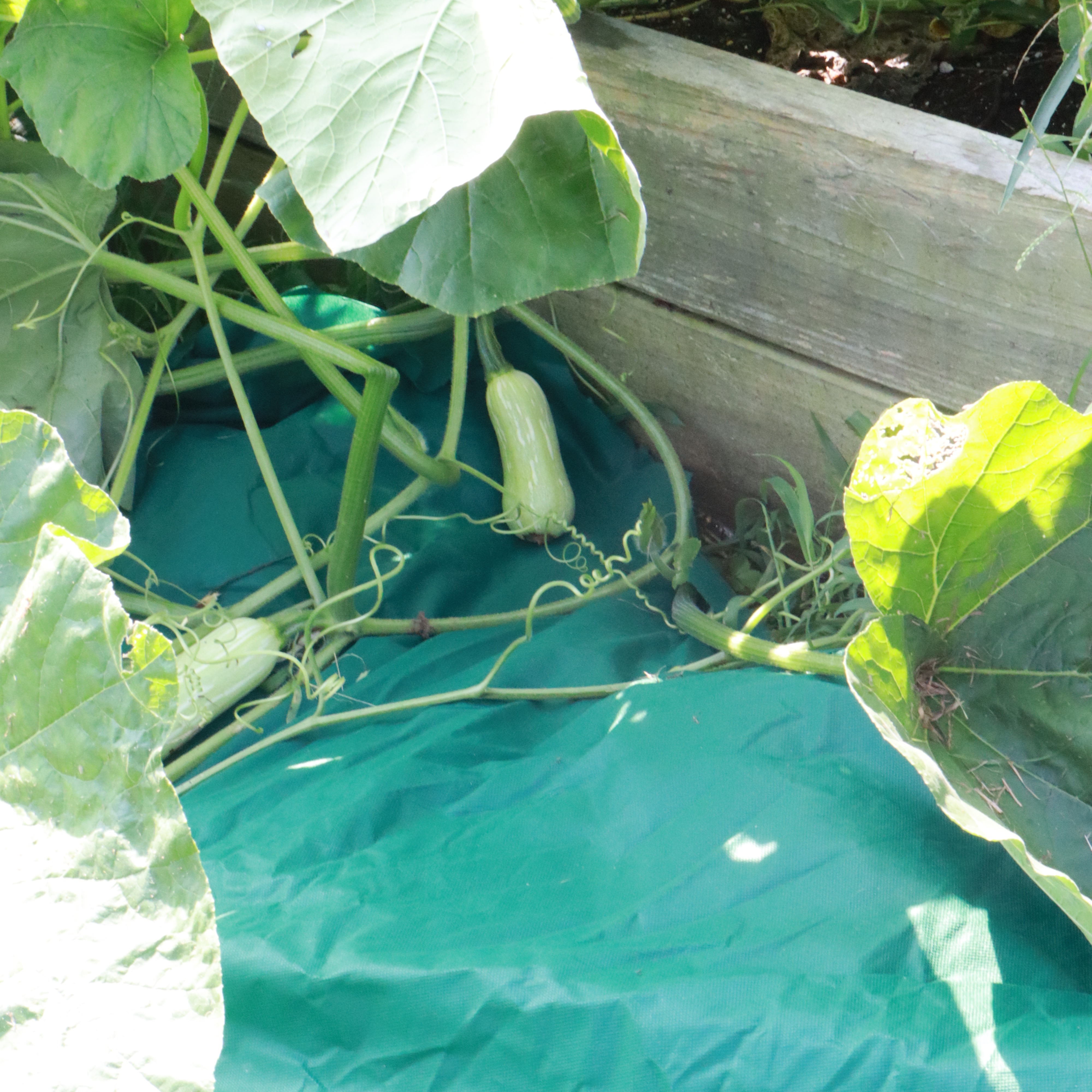
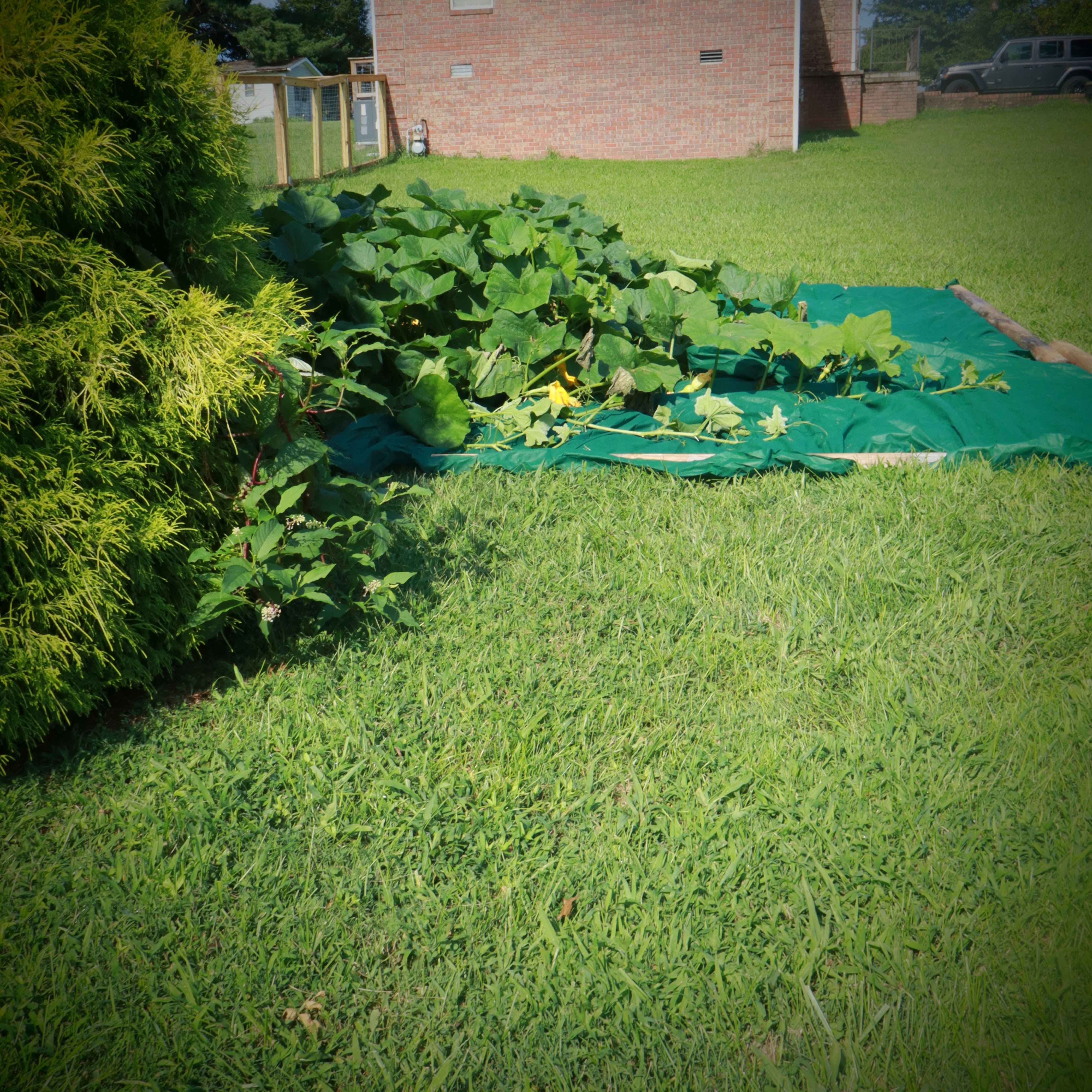
August in Tennessee turns a kitchen garden into a jungle. Heat and humidity together push vining crops like summer squash and sweet potatoes past polite boundaries. They stop asking for room and start taking whatever ground is nearby. This is normal for the season, and it tells you something good about how these plants are doing.
Why the vines are running
Squash and sweet potato plants both send out long runners once their roots are established and the days stay hot. A squash vine can stretch several feet past a raised bed edge in a single week during peak growth. Sweet potato vines spread low and thick across open ground, shading out weeds underneath as they go.
This habit is part of how the plants handle heat stress. More leaf surface out in open sun means more photosynthesis, and for sweet potatoes, that leafy canopy shades the soil too, holding moisture around the developing tubers below.
Managing the sprawl
Once vines cross out of a bed and into lawn grass, a few small steps keep things tidy without slowing the plants down:
- Lay cloth or cardboard under the runners where they cross into grass. This keeps developing squash off bare soil and stops grass from growing up through the vine.
- Mark the area clearly for anyone mowing the lawn. A row of stakes or a bright flag line does the job.
- Let the vines run their course for the rest of the season. Cutting them back to fit a tidy footprint usually costs yield.
What comes next for the harvest
Squash that spreads into new ground often produces more than a raised bed alone would support. That's a good problem to have. A single healthy squash plant given room can outproduce what one household eats fresh, and the extra goes a long way as a gift to neighbors, a donation to a food pantry, or a stash in the freezer for winter soups.
Organic squash at the store carries a real price tag, so a bumper crop from a few plants is worth more sitting in a basket than it looks.
Looking ahead
Once the squash and sweet potato vines finish their run, this ground gets a rest under cover crop or mulch before the next planting. Front lawn space that has already proven itself as fertile, sunny growing ground is a candidate for something other than turf grass altogether. Converting a section of lawn to a wildflower planting for spring is a common next step for gardeners who have watched vegetables thrive in that spot and started wondering why the grass is there in the first place. Wildflower plantings support pollinators, need far less mowing, and hold up well in the same soil and sun conditions that let squash roam this far to begin with.
A neighborhood kitchen garden like this one shows what an ordinary residential lot can do: a few raised beds, some borrowed lawn space, and one hot season can produce more food than a family can use.
Want a plan that matches your zip code?
Get your free planting calendar →