Judging Tomatoes and Pumpkins at the County Fair
A weekend learning how county fair judges evaluate garden produce, from tomato plates to pumpkin stems, and what it means for anyone thinking of entering their own harvest.
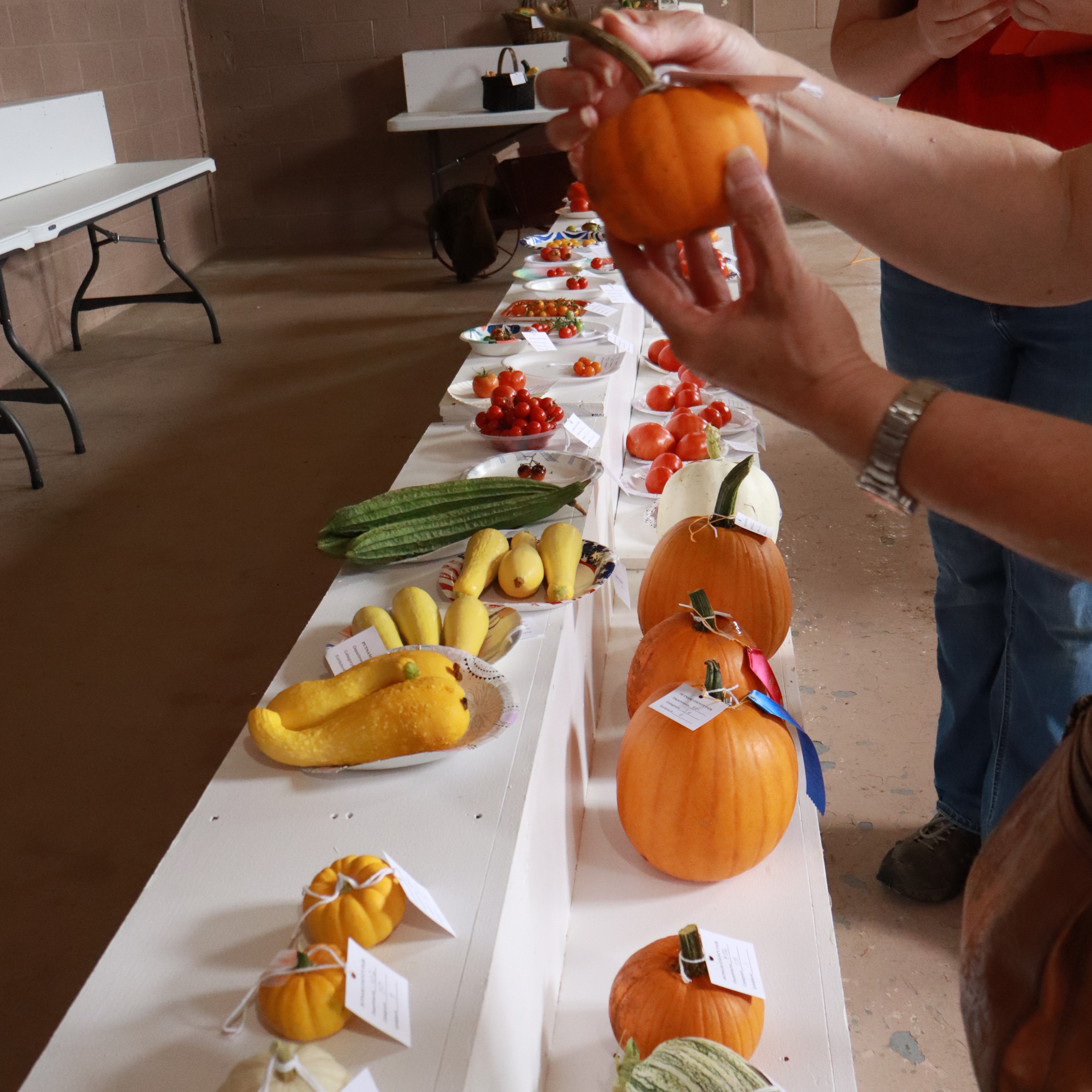
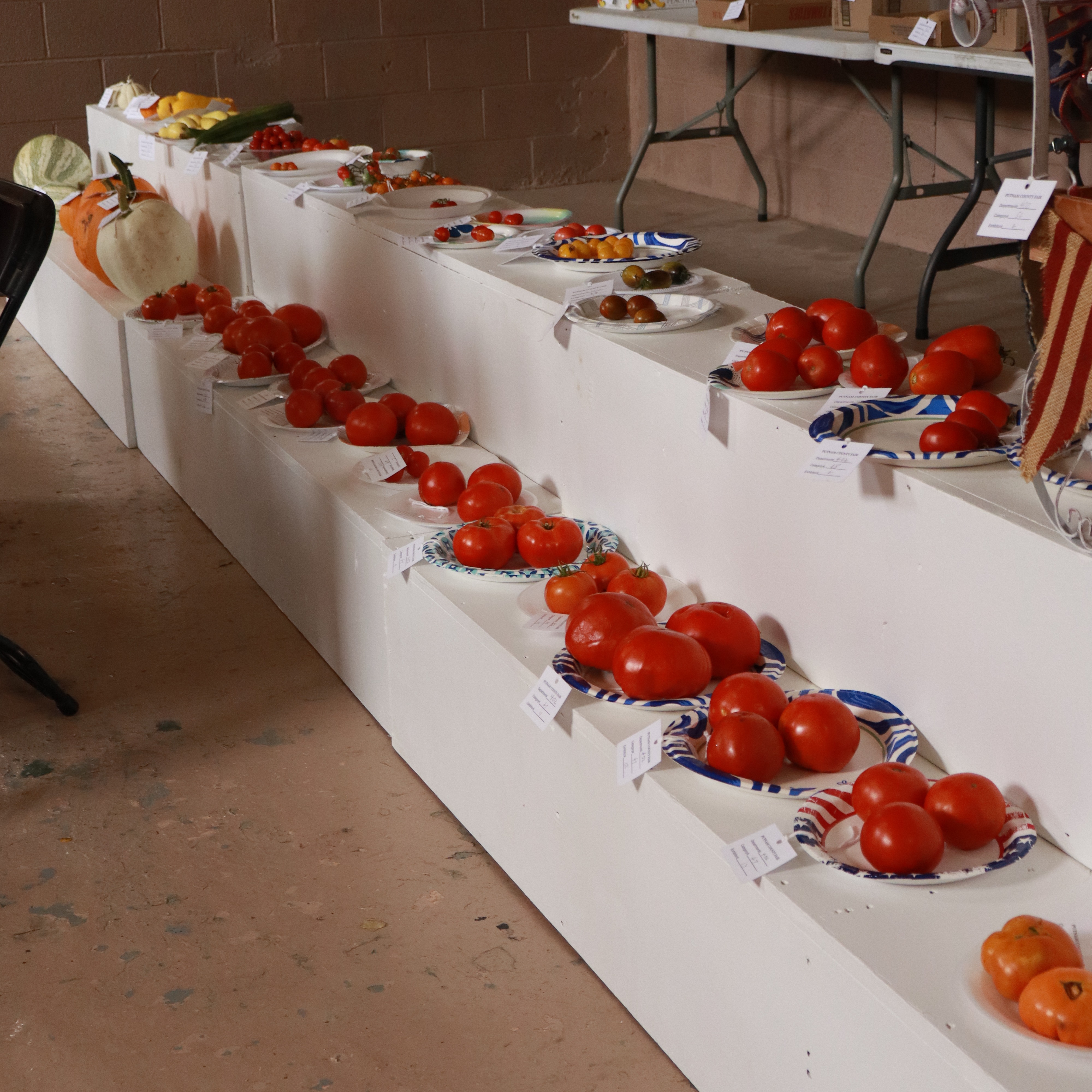
This past weekend I spent two days learning the craft of produce judging for the county fair, working alongside an experienced judge who has expertise evaluating tomatoes, squash, and every other crop that lands on the exhibit tables. The tables were loaded: pumpkins in every shade of orange, tiered stands full of tomatoes, plates of cucumbers and summer squash lined up under small handwritten cards.
Late summer into early fall is fair season across most of the country. Growers time their planting all year for this window - starting seeds early, staggering harvests, protecting fruit from sun scald and blossom end rot so the produce holds its shape and color for the judging table.
Judges look at condition first, size and shape second. A judge picks up each tomato, checks for cracks, checks the stem scar, presses gently near the shoulder to feel for soft spots. Uniform color across a full plate counts more than one giant specimen. Pumpkins get judged on stem intact, symmetry, and skin free of scarring or rot spots.
For anyone thinking about entering next year: harvest at the peak, not early, not late. Wipe dust and residue with a soft cloth - skip the water, which can start rot before judging even begins. Bring extra fruit. A winning plate needs several matching specimens, not one star performer standing alone.
Read the rules for your county! They are all a little different.
Strong pollination early in the season decides fruit set for squash and cucumbers. Bees and other pollinators working the flowers in June and July show up months later as full plates on a fair table. Soil health plays a quieter role too: steady feeding, good drainage, and even watering keep tomato skins from splitting right before harvest.
Fairs pull growers out of their own gardens and into a room full of other people's work. Seeing tomatoes grown in raised beds next to squash grown in field rows gives a clear picture of what one season, in one patch of ground, can produce.
Learning to judge from someone who has done this for years is its own kind of harvest - a chance to see up close what months of watering, weeding, and watching over a garden add up to on a table full of ribbons.
Want a plan that matches your zip code?
Get your free planting calendar →