Lunchbox Peppers Turn Into Pickles for Sandwiches
Small orange Lunchbox peppers from the summer garden turn into a quick pickle - the kind of homegrown touch that makes a plain sandwich something guests ask about.
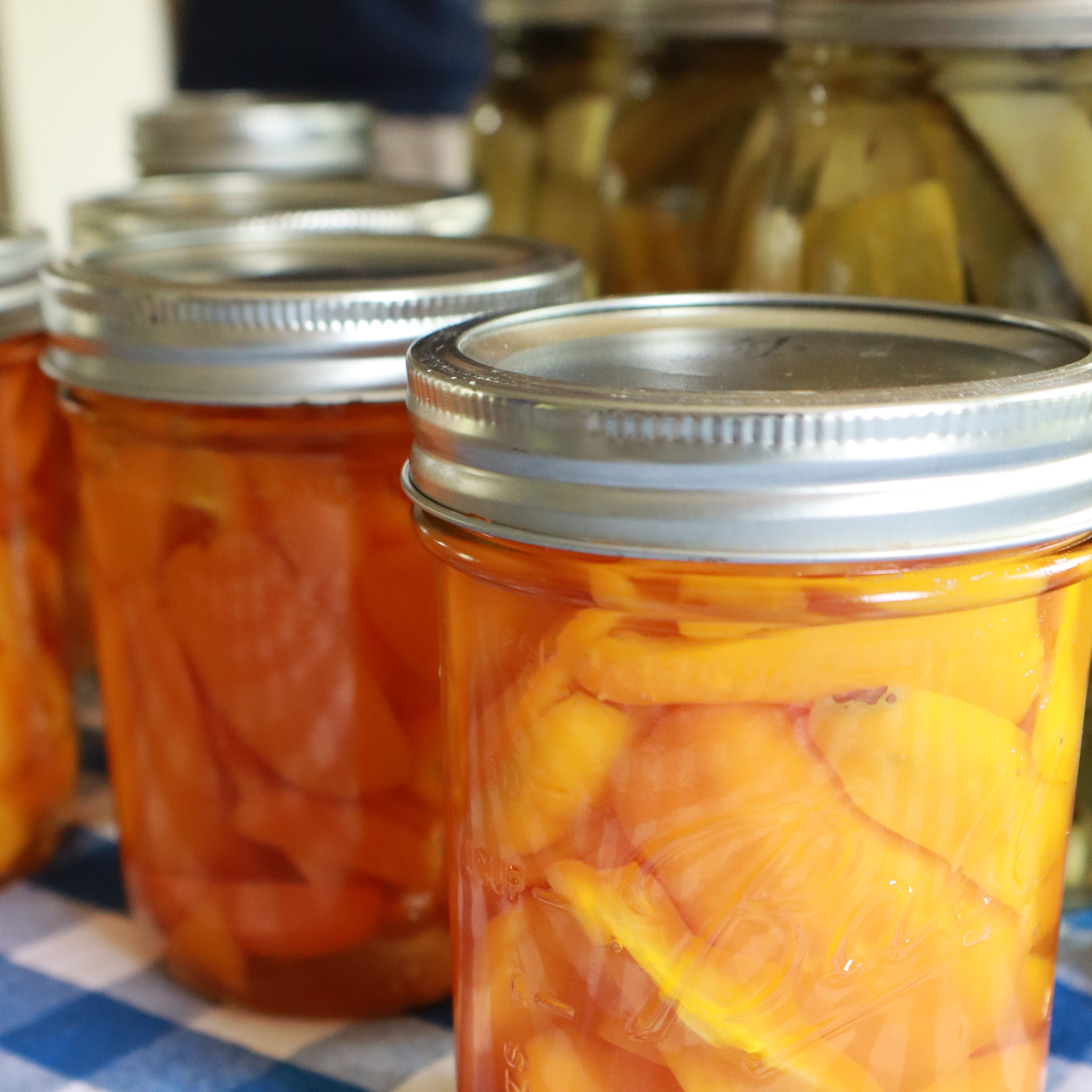
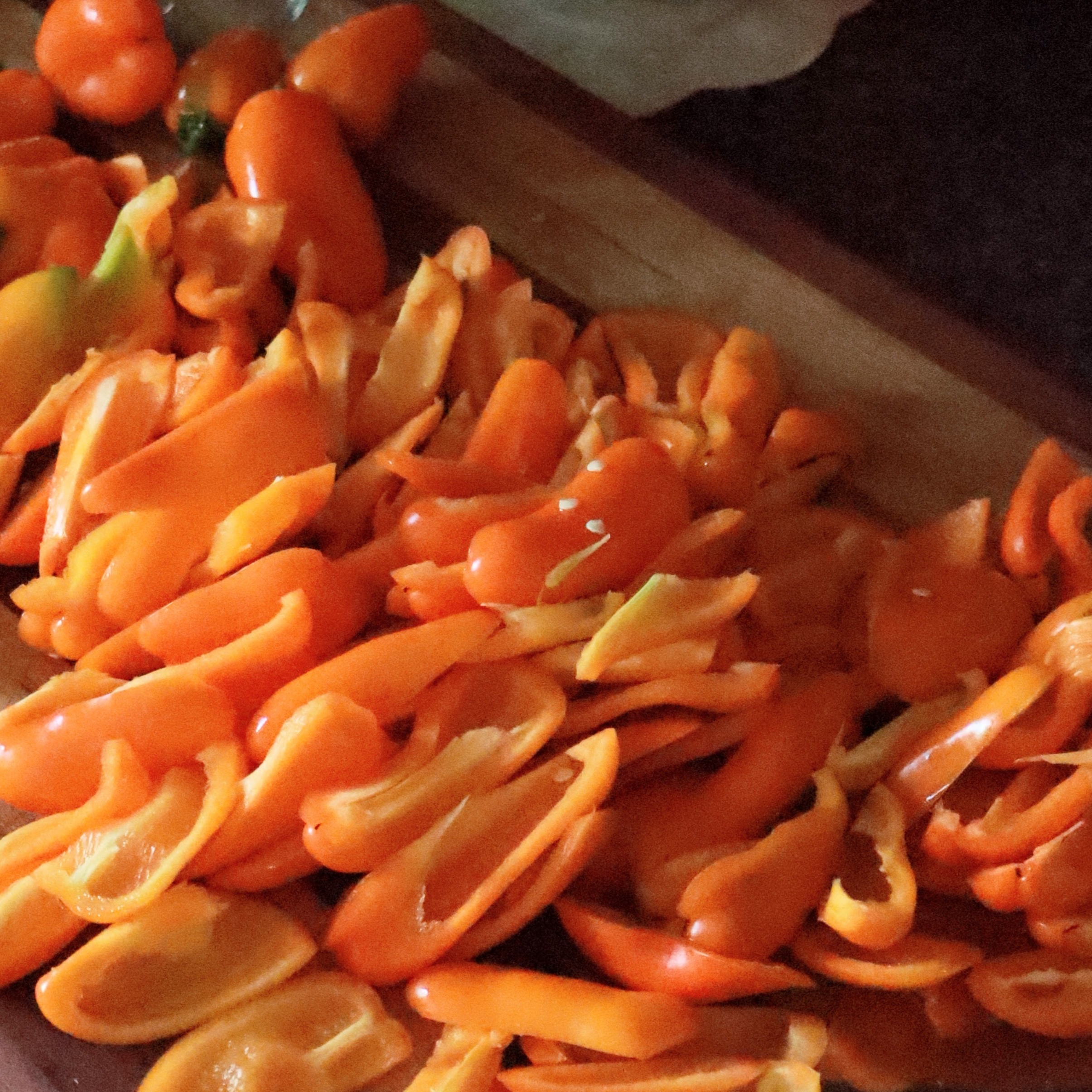
Lunchbox peppers ripen from green to a bright orange over the growing season, and a loaded plant in August looks almost like a citrus tree got confused about its climate. That color shift is the signal to pick: green Lunchbox peppers are edible, but the orange ones carry more sugar and a rounder heat, which is exactly what you want for pickling.
These are a snacking pepper bred for small size and sweetness, so the plants stay compact and produce in flushes right through the warm months. A single plant can carry dozens of peppers at once, once the nights stay warm and the days are long. If yours are still mostly green, give them another week or two on the vine before harvest - the flavor keeps building the longer they hang.
Turning the harvest into pickles
A quick pickle is the easiest way to put a big pepper harvest to use without heating up the kitchen with a full canning session. Slice the peppers into rings or halve the small ones, pack them into clean jars, and pour over a hot brine of vinegar, water, salt, and a little sugar. A bay leaf or a few peppercorns in the jar add depth, but the peppers themselves carry most of the flavor.
For longer storage, a proper water bath process locks the jars for the pantry shelf instead of the fridge. Check that the peppers are packed tight enough to stay under the brine line, and leave the headspace a canning recipe calls for - too little and the jars won't seal, too much and the peppers near the top can discolor.
Why the small stuff matters
A pepper this size won't feed a crowd on its own. Chopped and pickled, tucked into a sandwich or scattered over a salad, it does something a plain grocery-store pepper never manages: a small bite of sweet, a small bite of heat, and a friend asking what's in the sandwich. That's the payoff of growing something small and specific instead of the biggest, most common variety on the seed rack.
For next season
Lunchbox peppers are worth a spot in the garden plan again next year. They take up little space, tolerate a pot on a patio just as easily as a raised bed, and the harvest window stretches for weeks once the plants get going. Save a few of the ripest, fully orange peppers for seed if you want to try growing your own starts from this batch - peppers are self-pollinating, so a Lunchbox plant grown a reasonable distance from other pepper varieties should breed true.
Want a plan that matches your zip code?
Get your free planting calendar →