Romaine lettuce shows what indoor germination can do
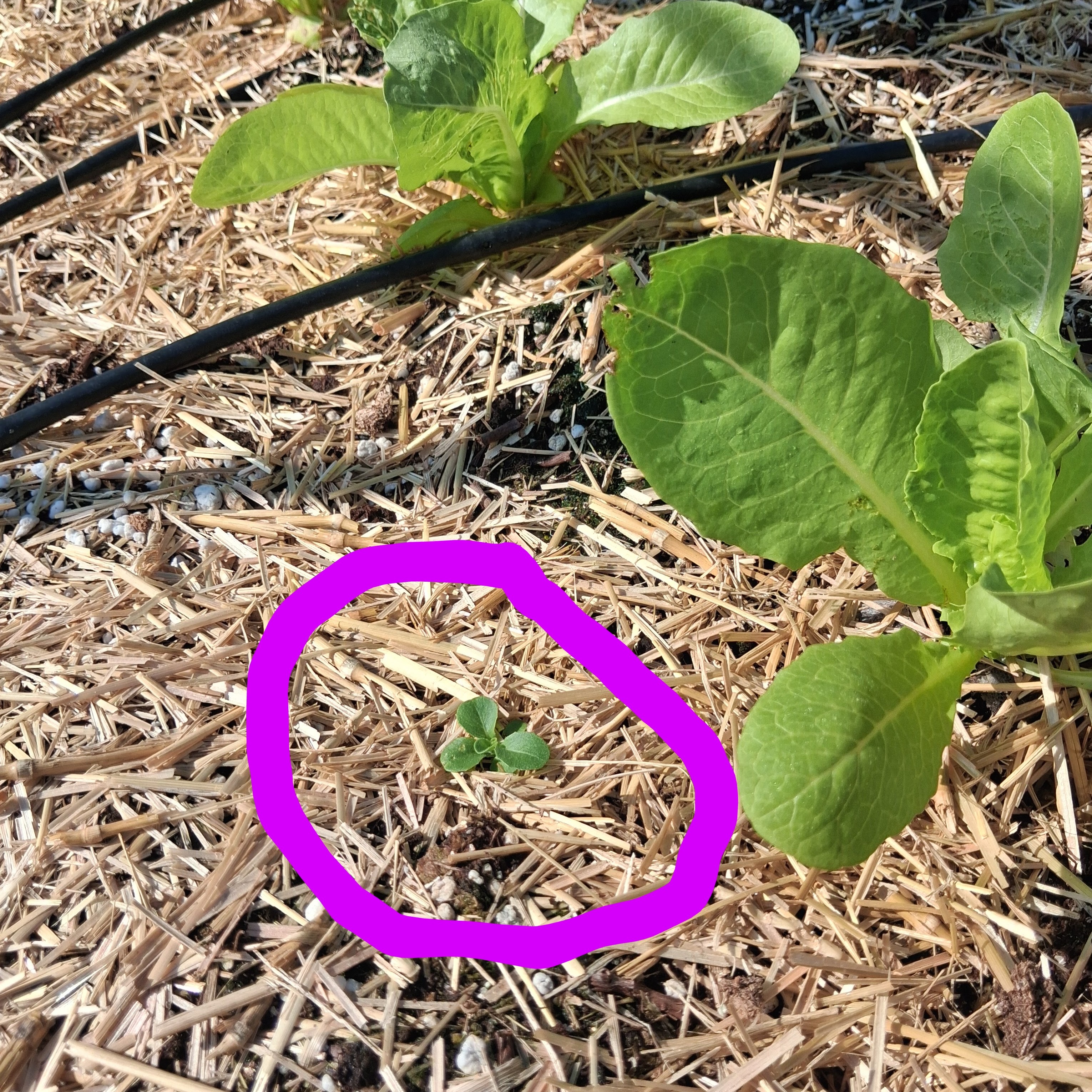
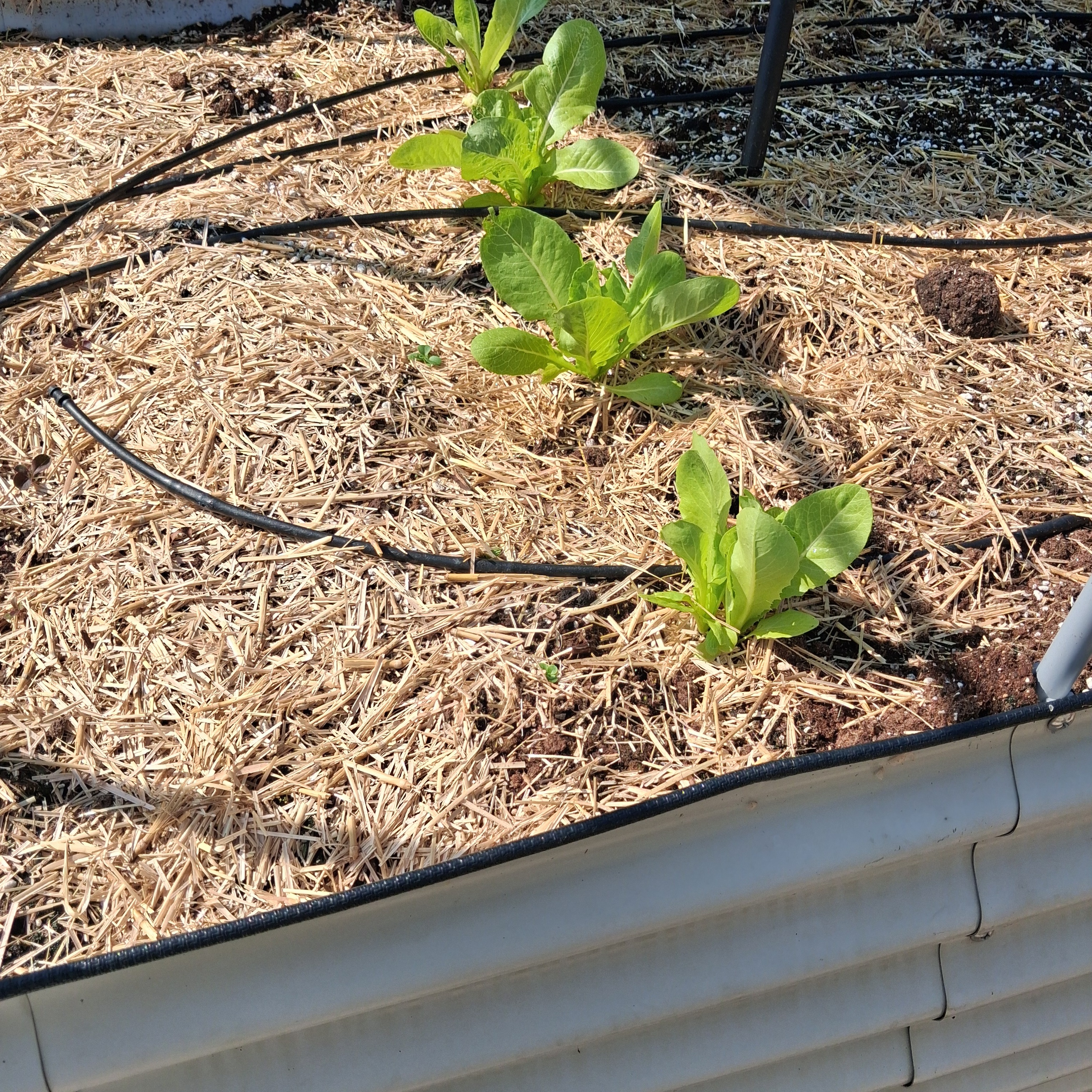
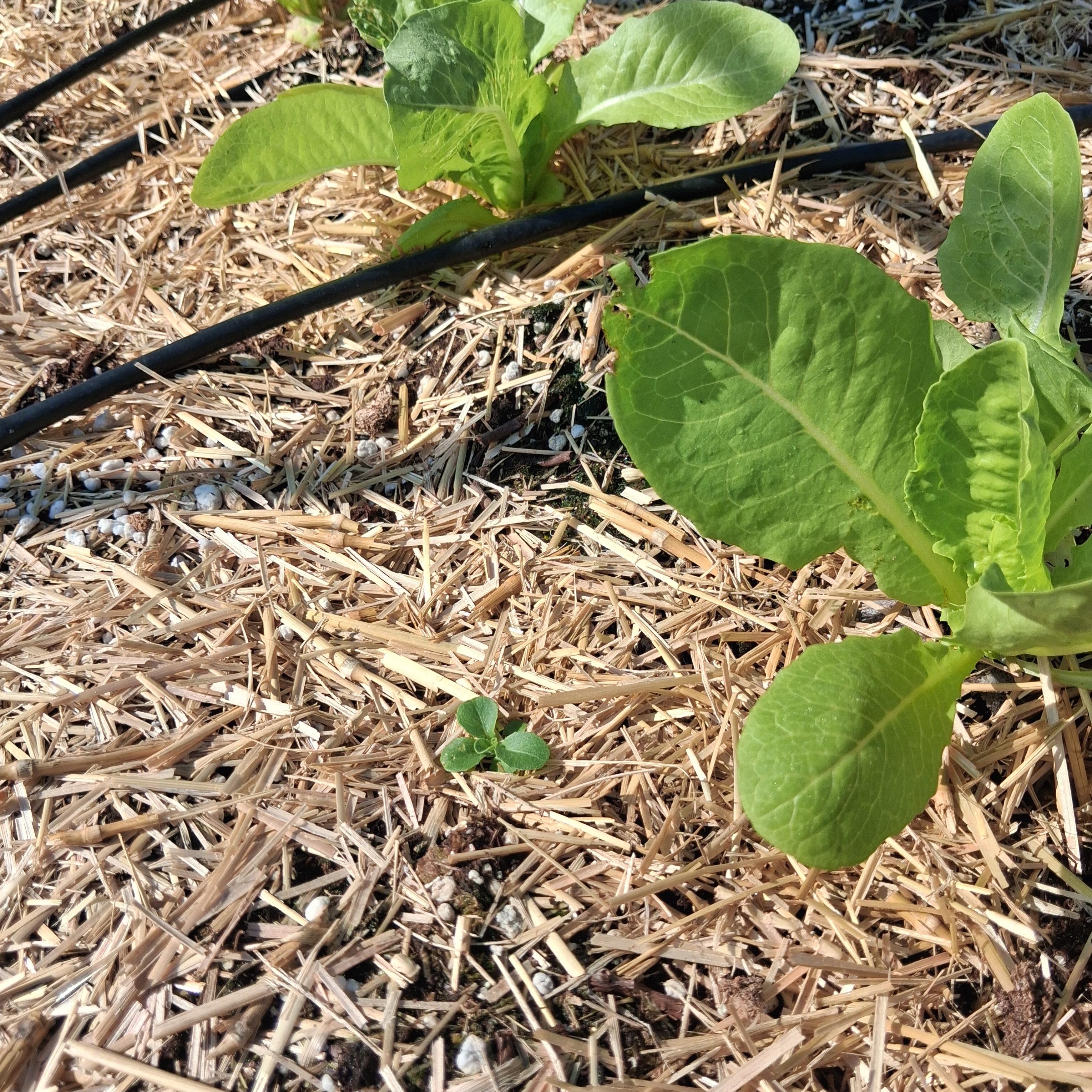
Two romaine seedlings, two starts, and a big difference in size. The indoor-germinated plant got a serious head start.
I have grown lettuce forever, and I can still be surprised by how persnickety it is about germination.
These romaine seedlings are a perfect example. The tiny plant was direct seeded outside a full week before the larger one. The larger plant was germinated indoors, then moved into the garden. It started later and still blew right past its neighbor.
The smaller seedling isn't a failure. It'll grow. It'll just take longer to reach the eating stage, and that's the whole point around here. I like to eat.
Lettuce seed germinates best in cool conditions. Hot soil can slow germination or stop it altogether, which matters a lot with late-summer sowing. An indoor start gives me more control over temperature and water during those first few days. Once the seedlings have a couple of true leaves and a decent little root system, I can transplant them into the bed.
For direct sowing, keep the seeds shallow and don't let the top layer of soil dry out during germination. Lettuce seed needs light, so burying it deeply is a common mistake. Straw mulch around established seedlings helps moderate soil temperature and reduces water loss, but I pull it back from the actual sowing spot until the seedlings are up. Drip irrigation handles most of the watering after that.
The bigger issue in August is heat. In hot climates, afternoon shade can buy lettuce some time. Gardeners in cooler regions can direct sow with far less drama. Check your local soil temperatures and first frost timing rather than treating a planting calendar like holy writ. The interwebs help.
Once these plants start putting on leaves, I'll watch for heat stress, slugs, caterpillars and any plant trying to bolt early. I harvest outer leaves when they're large enough to eat, or let romaine develop into fuller heads. Young leaves are excellent for salads and sandwiches, and homegrown lettuce bears almost no resemblance to the sad grocery store stuff.
I learned long ago that starting every lettuce seed exactly the same way makes no sense. Some get direct seeded. Some get started inside. Chaos gardening, with just enough record keeping to know what worked.
These two plants make the lesson pretty obvious. A controlled germination environment can give lettuce a substantial head start. The little one can catch up. I'm just eating from the bigger one sooner.
Want a plan that matches your zip code?
Get your free planting calendar →