Six Pounds of Peppers Head to the Freezer
A bowl of sweet bells and poblanos becomes a whole season of fajita filling, cut, bagged, and ready for winter.
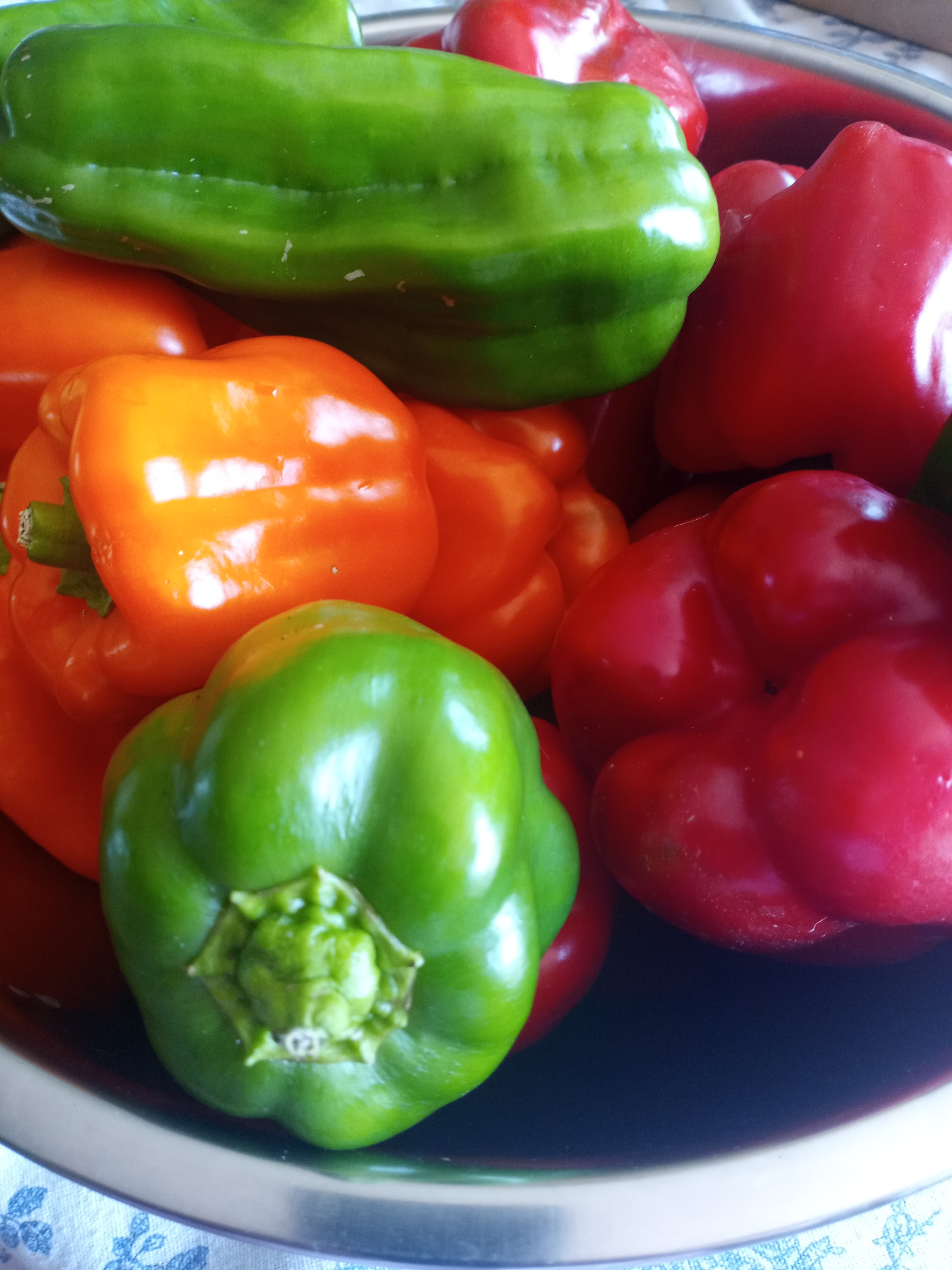
Six pounds. That's what came off the pepper plants today, a mix of sweet bells and poblanos piled into one bowl on the counter. Late July and August push pepper plants into their heaviest production, and a harvest like this is the payoff for months of watering, staking, and waiting.
Half the peppers got diced, half got sliced. The plan: fajitas all winter, pulled straight from the freezer instead of the produce aisle. Peppers freeze well without blanching. Wash them, remove the seeds and stems, cut them the way you'd want them for cooking, and spread the pieces on a sheet pan before freezing. Once they're frozen solid, transfer them to bags or containers. This step keeps the pieces from clumping into one giant block.
Sweet bells and poblanos both hold their texture and flavor after freezing, better than most people expect. They soften some once cooked, closer to how a sauteed pepper turns out than a raw one, which works fine for fajitas, soups, and stir fries.
A harvest this size usually means the plants have hit peak production. Keep picking at this stage rather than letting fruit sit on the vine. Pulling peppers regularly signals the plant to keep setting new fruit instead of putting energy into the peppers already there. Poblanos especially keep producing longer when picked before the walls thicken and the color fully turns.
For gardeners just getting into pepper preservation, start small. Freeze one batch and check how it holds up in your own cooking before committing whole beds to the project. Peppers can be dried, pickled, or roasted and frozen in oil too, so there's more than one path if freezer space runs short.
A bowl like this is a good reminder of why the summer work pays off. One afternoon of picking and prepping buys a season of not paying grocery store prices for produce that traveled a long way to get there.
Want a plan that matches your zip code?
Get your free planting calendar →