A Small Gate Opens Onto Our Next Garden
After several summers of raised-bed growing on concrete, a small gate now opens onto a stretch of turf next door - the start of a much bigger garden.
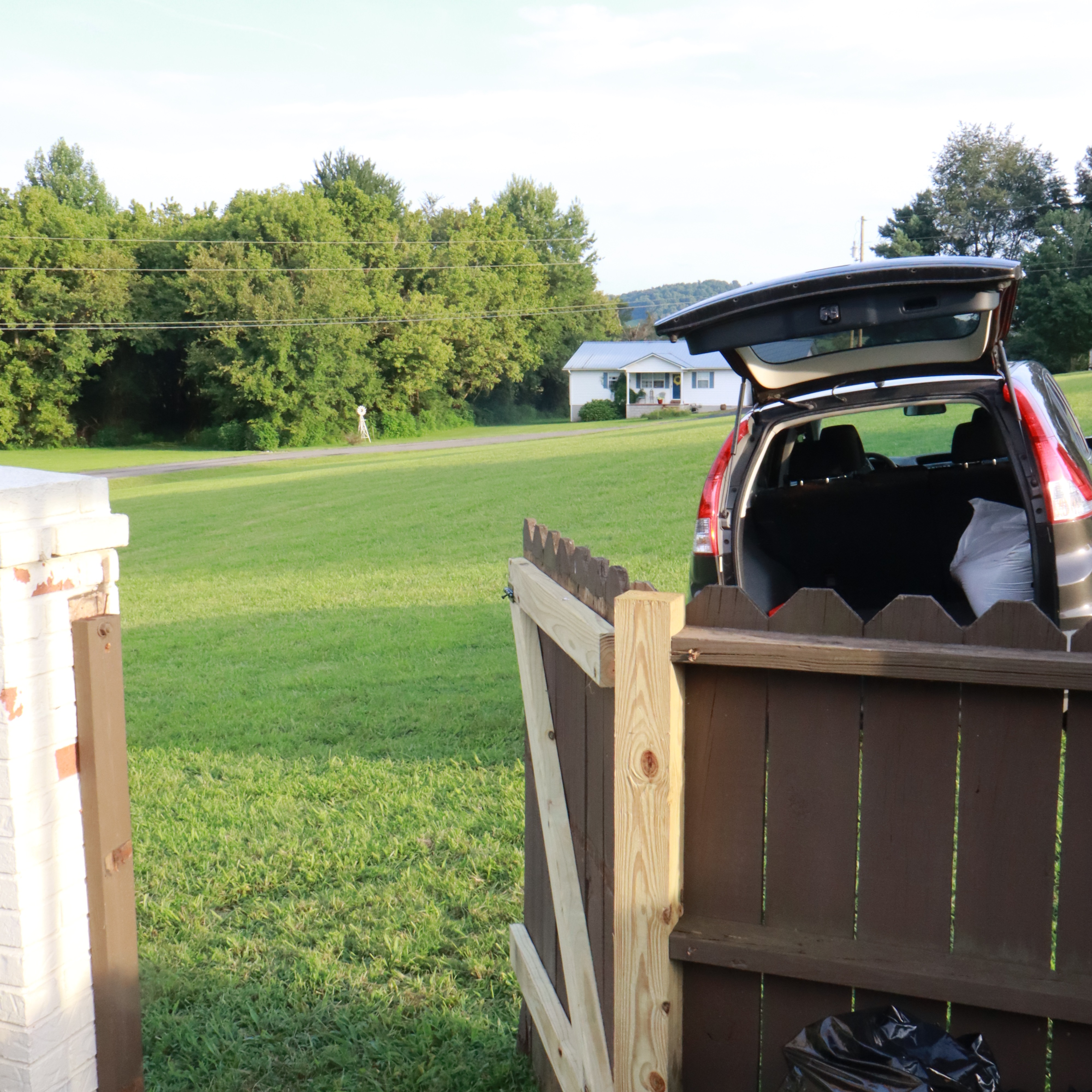
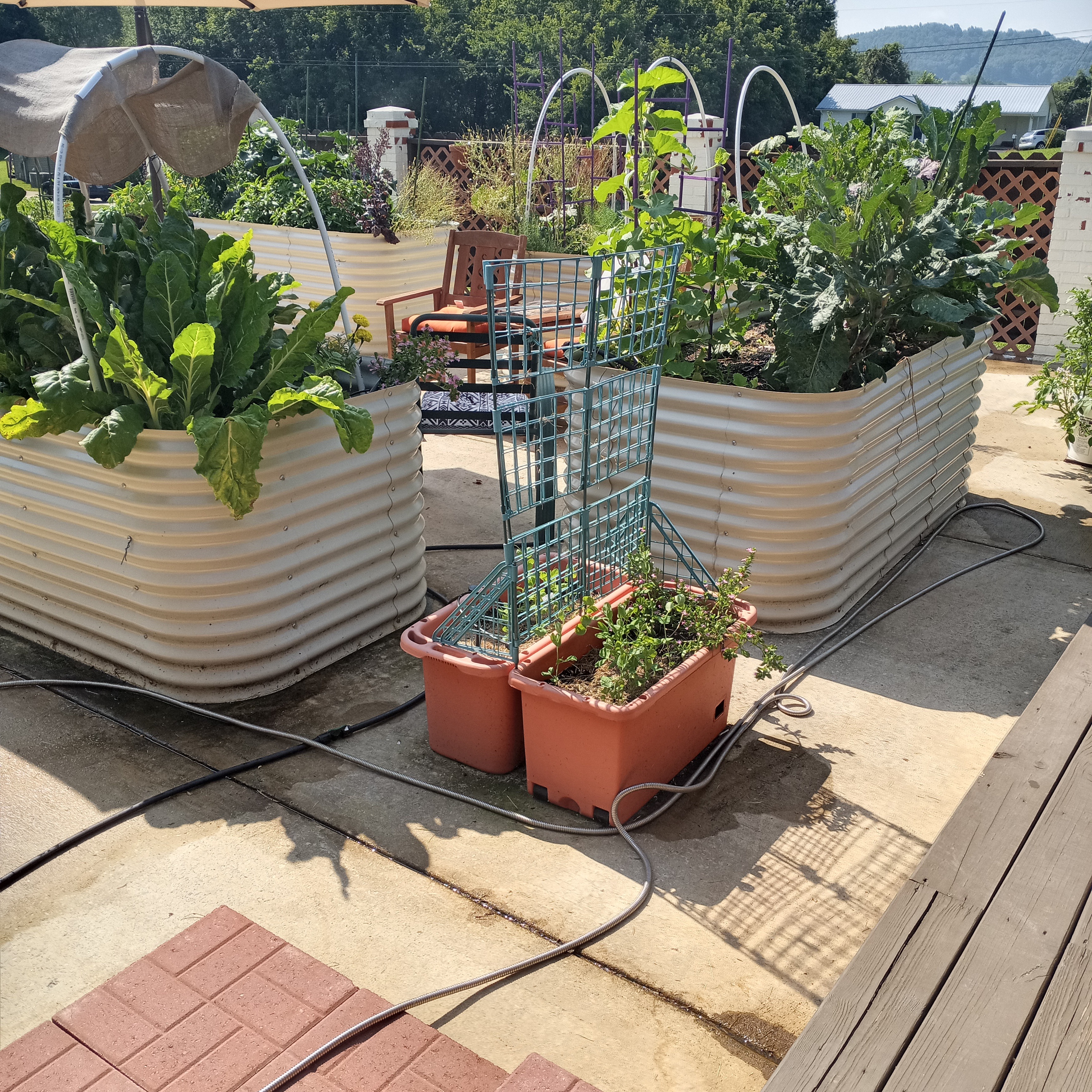
For the past several summers, all of the growing here happened on a stretch of concrete just outside the back door. Raised beds lined the terrace, chard grew tall next to kale, beans climbed purple trellises, and small pots of basil, thyme, and oregano filled every open corner. It was a good setup - dense, productive, and completely bound by the size of that concrete pad.
On the other side of the fence sat a plain rectangle of turf grass that belonged to a neighboring property. For years it stayed off the list of possibilities entirely - not a maybe, just a no. That changed this summer, when the land became part of this home's lot, gate and all.
Late summer is not the moment to break ground on a brand-new bed. The soil under that turf has spent years compacted under grass roots, and the plants already in the raised beds - chard sizing up, kale pushing new leaves, bean vines still setting pods - need attention right through fall. The smarter move is to spend the next few months planning the new space and finishing out the current season.
What comes first when turf turns into garden
Turning a lawn into growing space starts with knowing what's under it. A simple soil test tells whether the ground needs amending for pH or drainage before a single seed goes in. Sheet mulching - layers of cardboard, compost, and mulch laid directly over the grass - kills the turf without digging and builds organic matter at the same time. Left over a fall and winter, that layered bed is ready to plant by spring.
Sun exposure matters too. A field that has sat as open lawn for years likely gets more direct light than a shaded terrace ever could, which opens the door to crops that struggled before: sprawling squash, sun-hungry tomatoes, or a proper row of peppers instead of a single pot.
Bringing the raised bed lessons along
The trellises, hoops, and netting already in use on the concrete terrace are not going anywhere - they will just have more room to work with. The same principles that kept beans climbing and kale protected from pests apply on a larger scale: vertical supports save ground space, netting keeps curious wildlife out, and a hose reel or drip line planned early saves a lot of dragging equipment across a bigger yard later.
Expanding a garden footprint is a chance to think about rotation from day one. Instead of squeezing beans, chard, and herbs into the same beds year after year, a new plot means dedicating sections to different plant families and rotating them on a real schedule - something the terrace beds never had room to do.
None of this happens overnight, and there is no reason it should. Small, steady steps - a soil test this month, cardboard and mulch laid down before the first frost, a rough sketch of bed placement over winter - turn a fenced-off field into a workable garden by the time spring planting starts.
Want a plan that matches your zip code?
Get your free planting calendar →