A Kitchen Garden Lunch and Learn
Our monthly library Lunch and Learn brings local kitchen gardeners together to talk planting dates, clay soil, seasonal crops, and what actually works here.
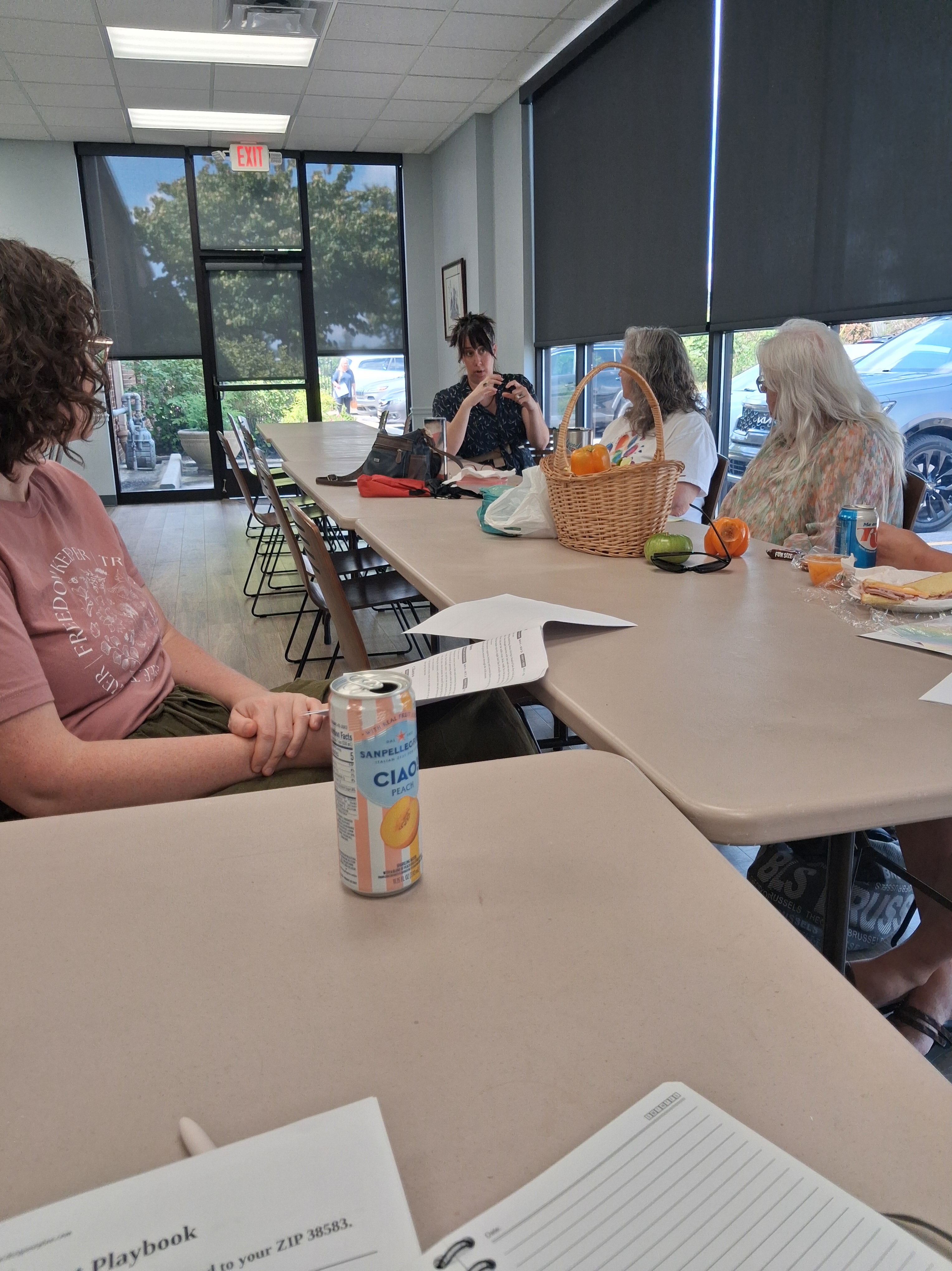
One of the fun parts of being a Master Gardener intern is getting out into the community and talking to other gardeners. I've been developing a once-a-month Lunch and Learn at our local library for kitchen gardeners, and I really like the format. Nothing elaborate. We sit around a table and talk about what we're planting, what isn't working, and what we can do next.
This month we talked about snow peas, lettuce, carrots, and other cool-season crops. September is a transition month in many gardens. Summer crops can still be producing, yet cooler weather opens the door for another round of vegetables. Your exact planting window depends on where you live, so local dates matter more than a generic fall garden calendar.
Snow peas prefer cooler weather and need something to climb. Lettuce gives you plenty of choices - sow a little at a time rather than an entire packet at once. Carrots require more patience, particularly in heavy clay. Loose soil at the top of the bed makes it much easier for the roots to develop without turning into weird little garden sculptures. I have clay soil. I know this problem well.
That local piece is why these conversations are useful. I've spent the last two years building a database of planting dates for ZIP codes across the U.S. It lets me bring very specific timing into our meetings instead of telling everybody to plant by some broad national schedule. A gardener a few states away can have a completely different planting window.
Experienced local gardeners bring another layer of knowledge. They know where water sits after a hard rain, how our clay behaves during a dry spell, which pests tend to show up at certain times, and how quickly fall temperatures can change. You don't get all of that from the back of a seed packet. The interwebs help. People who have gardened in your dirt for years help too.
If you're starting a fall kitchen garden, start small. Pick a couple of crops suited to your local planting window, prepare the bed, sow them, and check the garden every day. Gardens need a daily walkthrough. Look for germination, insect damage, drying soil, and anything else that suddenly looks different.
I like the Lunch and Learn model for exactly this reason. Gardening doesn't need to become another complicated project with seventeen spreadsheets and a three-ring binder circa 1992. Good local information, decent soil, the right planting window, and regular observation will get you a long way. Then experience fills in the rest.
Want a plan that matches your zip code?
Get your free planting calendar →