A Summer Batch of Fermented Jalapeño Hot Sauce
Colorful jalapeños from the garden ferment into a tangy hot sauce that keeps in the fridge for a year, using nothing more than salt, water, and time.
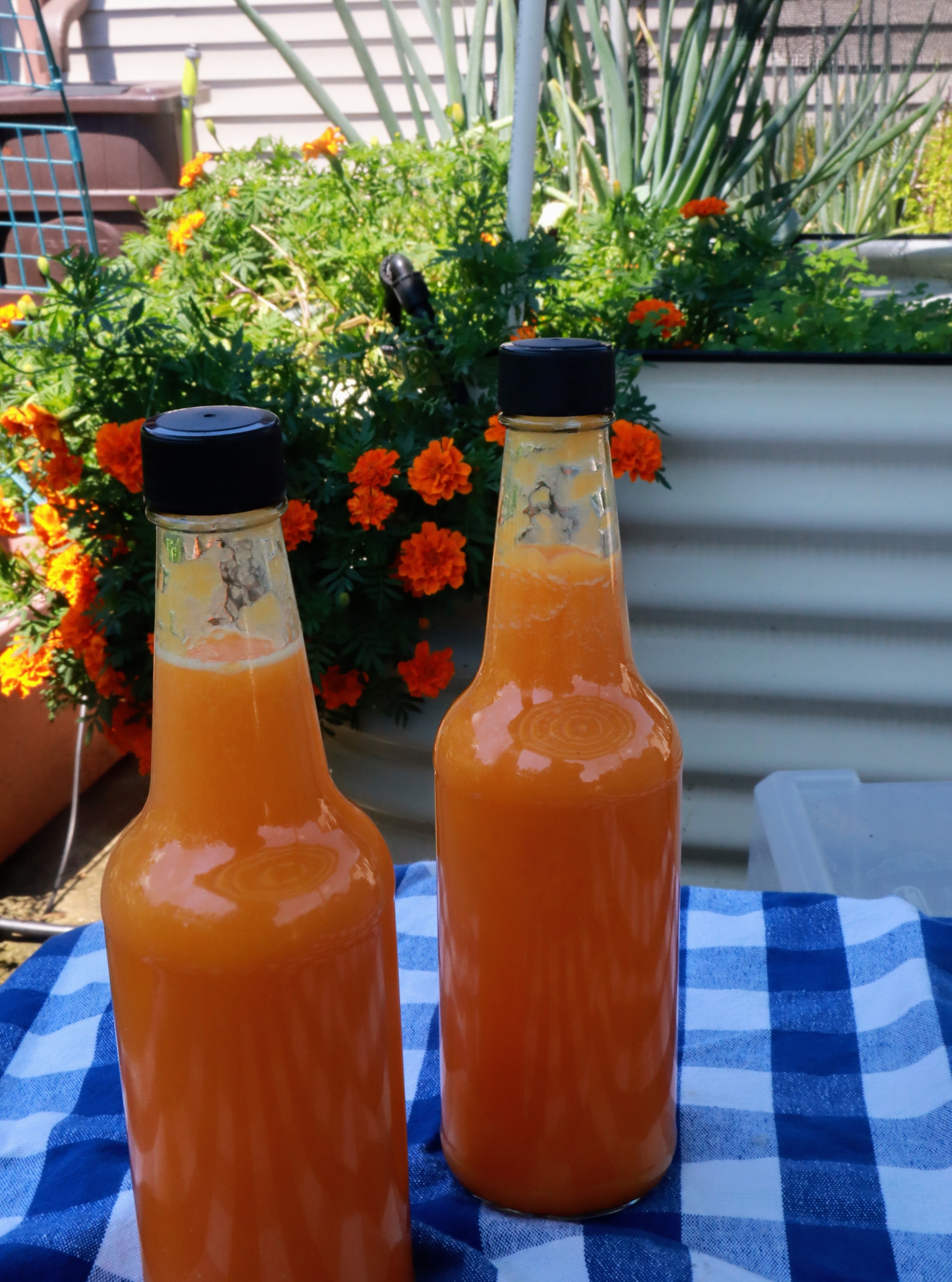
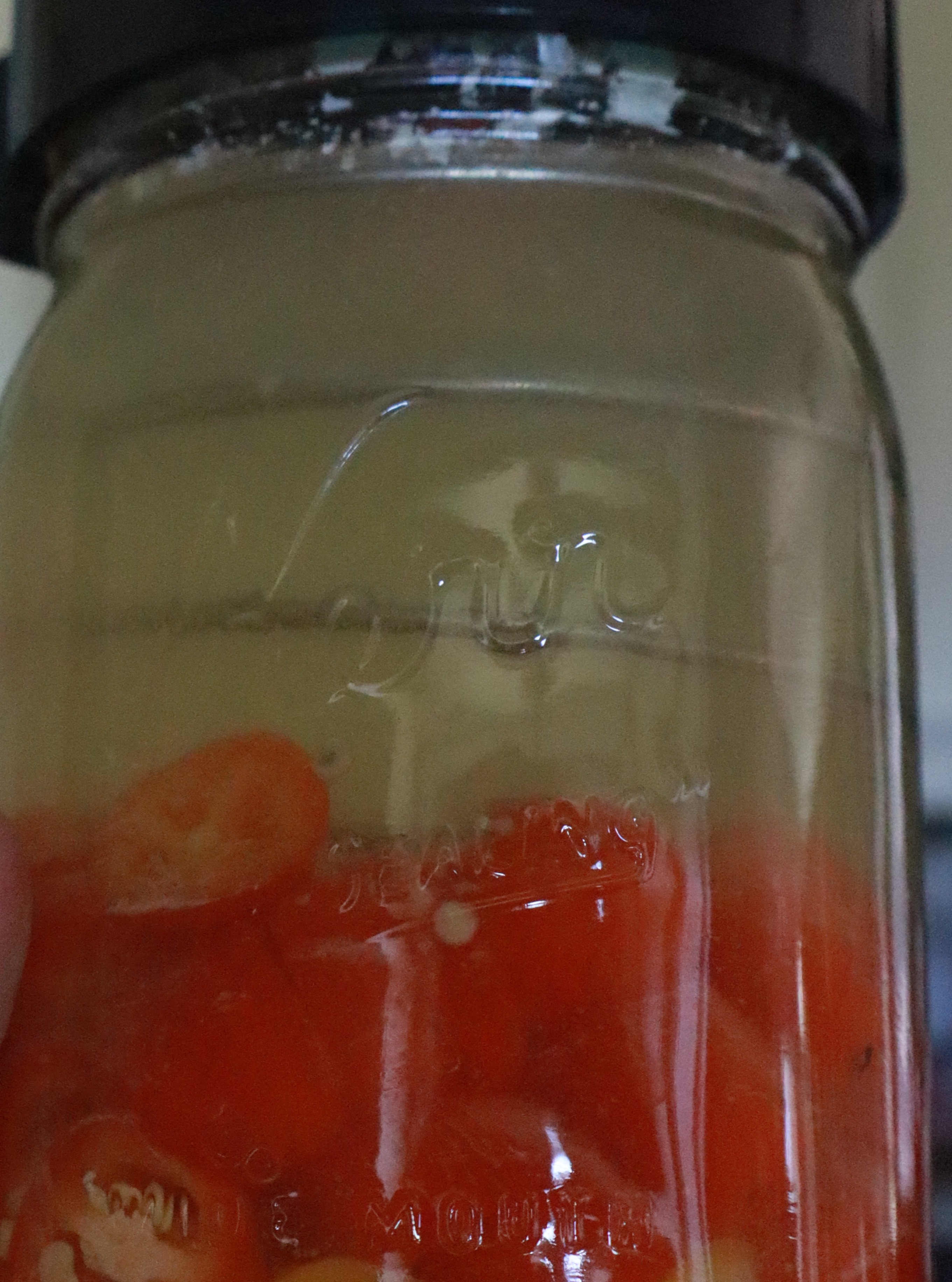
Late summer is peak pepper season, and a mix of colors in the jalapeño patch means it's time to think about fermentation. This is one of the best projects to tackle during peak harvest, since fresh peppers rarely make it to the pantry before turning into something more than a garnish.
What's Happening Inside the Jar
Fermenting peppers is a straightforward biological process. A salt brine draws water out of the pepper flesh, creates an environment salty enough to slow down mold and rot-causing organisms, and gives naturally occurring lactic acid bacteria room to work. Those bacteria convert sugars in the peppers into lactic acid, which is what gives fermented hot sauce its tang and its shelf life. The bubbling that shows up after a day or two is carbon dioxide, a byproduct of that bacterial activity - and it's the clearest sign the ferment is alive and doing its job.
Building a Basic Brine
A brine ratio of 3 tablespoons of sea salt per quart of water is a reliable starting point for pepper ferments. Stir until the salt fully dissolves before pouring it over sliced, packed peppers. Adding a few halved garlic cloves brings extra depth to the finished sauce. Packing peppers tightly into the jar and topping with brine keeps air pockets to a minimum, and a fermentation weight or spring-loaded lid holds everything below the liquid line, which matters - any pepper that floats above the brine surface is at risk of growing mold.
Timing and Troubleshooting
A week or two is typical for pepper ferments to finish; warmer kitchens speed things up, cooler ones slow it down. Checking the jar daily during the first several days catches floating pieces early, and a clean utensil is enough to press them back under. The ferment is done when the bubbling slows and stops. A cloudy brine and a softened texture in the peppers are both normal signs of progress, not failure.
From Ferment to Bottle
Once fermentation finishes, the peppers and brine go into a high-powered blender for a full grind, then get strained to separate solids from liquid. The strained sauce keeps in the fridge for up to a year, no canning or added vinegar required, since the salt and acid built up during fermentation already act as preservatives. The strained solids don't need to be tossed - dehydrated and ground into a powder, they turn into a smoky, tangy seasoning for rubs, eggs, or roasted vegetables.
Garden Planning for Next Year
Peppers that ripen fully on the plant, moving from green through orange to red, bring more sweetness and complexity to a finished ferment than peppers picked early and green. Letting a portion of the harvest ripen longer, and mixing colors in the same batch, gives the sauce more depth in both flavor and appearance. For gardeners working out next season's bed plan, tucking a few extra pepper plants near flowers like marigolds supports pollinators early in the season and rewards with more fruit than most kitchens can use fresh by midsummer - a strong argument for keeping a fermentation project like this one in the rotation.
Want a plan that matches your zip code?
Get your free planting calendar →